Visit Our Antique Corner
Japanese antique keychains and vintage goods — BeLocal Collection Kamakura

Japanese Antiques & Vintage Goods in Kamakura | BeLocal Collection

Japanese Antiques · 古物

Why Old Things Last
So Long in Japan

A look at the cultural mindset behind Japan's enduring relationship with everyday objects, and what that means for the things we curate today.

Japanese Antiques もったいない Vintage Japan 物の哀れ Kamakura Finds Everyday Objects Built to Last 古物商 Japanese Antiques もったいない Vintage Japan 物の哀れ Kamakura Finds Everyday Objects Built to Last 古物商
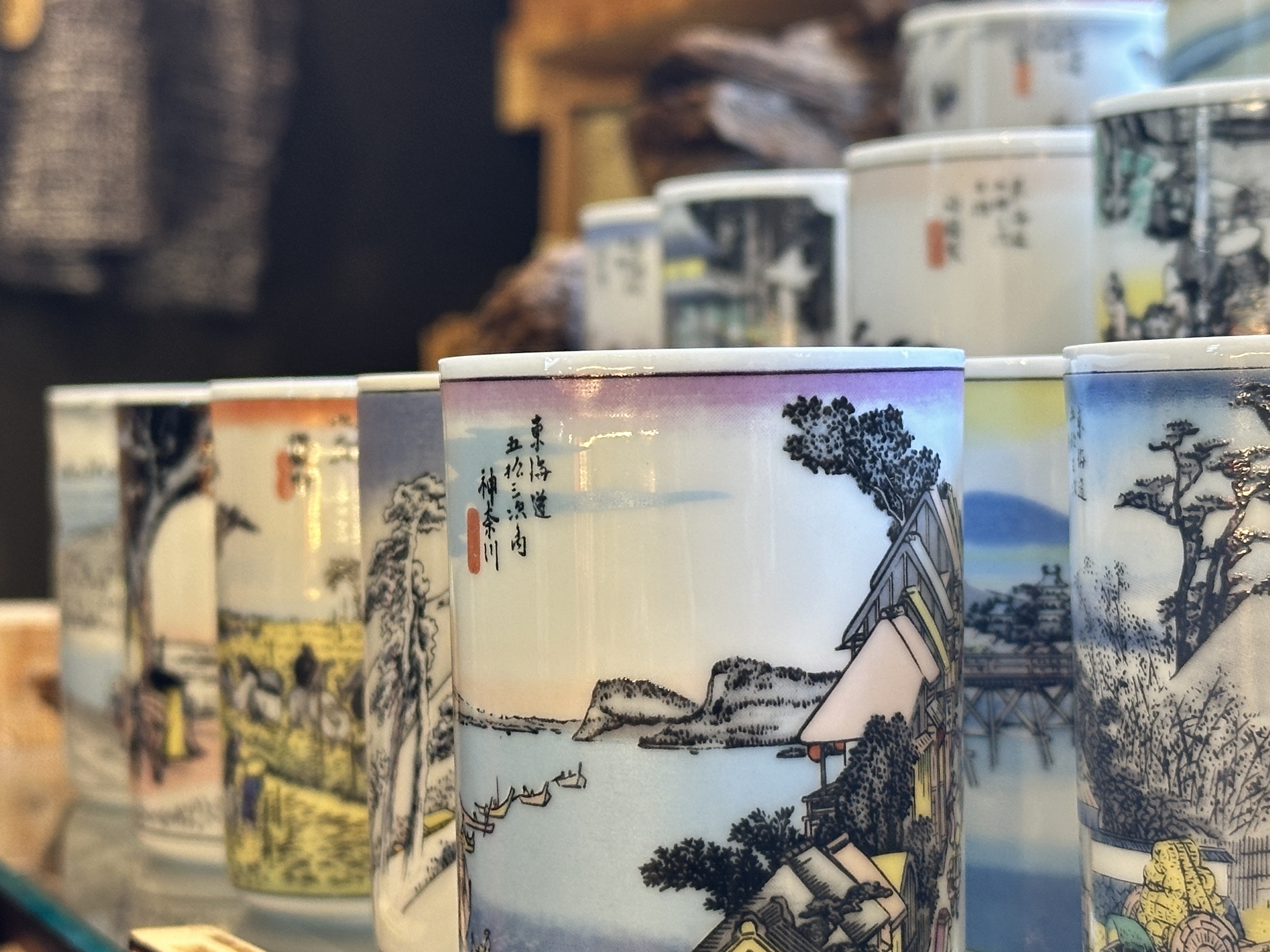
Hiroshige Tokaido ceramic cups — Japanese antiques Kamakura
Where It Starts

In many places, old objects are replaced. In Japan, many are repaired, preserved, and passed on.

Walk into a Japanese home, a small restaurant, or a market stall, and you are likely to encounter objects that are decades old, not as curiosities, but as things in everyday use. Cups that have been washed thousands of times. Fans that have survived multiple summers. Tools worn smooth by the same hands over years.

This is not universal, and Japan is not frozen in the past. But the tendency to preserve rather than discard is widespread enough to be meaningful. It has a practical explanation rooted in history and culture.

Why does it happen? And what does it mean for the objects that survive?
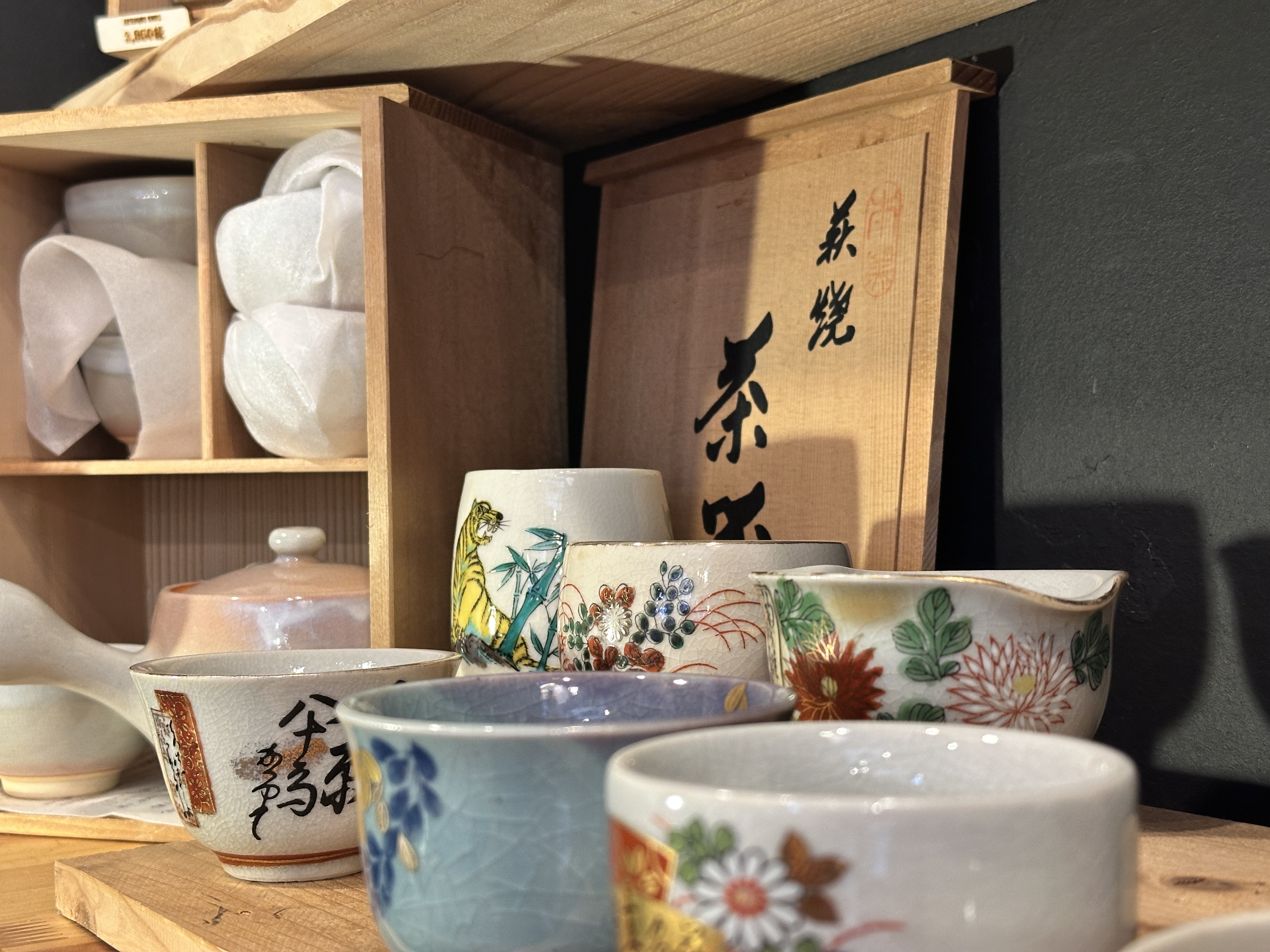
Japanese teacups and ceramic tableware — vintage Kamakura
The Cultural Explanation

Two ideas worth understanding

Japanese attitudes toward objects were shaped partly by necessity. For much of Japan's history, and acutely in the post-war period, materials were scarce and goods were made to last. Throwing something away before it had lived its useful life carried a real cost, not just a philosophical one.

Over time, that practicality became something more embedded: a way of relating to objects that persists even now that scarcity is no longer the driver.

Two Concepts Worth Knowing
The Ideas Behind the Objects

もったいない

Mottainai

A word with no clean English equivalent. It expresses reluctance to waste something that still has value. Not because waste is immoral in a grand sense, but because the object deserves to be used fully. A teacup with a chip is still a teacup. A coat that needs repair is not yet a rag.

This is practical, not spiritual. Mottainai is about not discarding prematurely.

物の哀れ

Mono no Aware

A more literary concept: an awareness of impermanence, and the quiet feeling that comes from it. Applied to objects, it is the recognition that things change, age, and eventually end. Rather than ignoring this, the tendency is to notice it, and to find a kind of beauty in the signs of use.

A well-worn surface is evidence of a life lived with something. That is not a flaw. It is history.

Japanese ceramic pieces and pottery — BeLocal Collection antiques
What This Looks Like in Practice

Everyday objects built to last

Most Japanese antiques were not decorative luxuries. They were everyday objects: teacups used at breakfast, fans carried in summer, ceramic pieces that held food for decades, small tools that outlived their original owners.

They were made well because people expected to use them for a long time. The lacquer on a bowl was not ornamental. It was protective. The craftsmanship in a folding fan was not extravagant. It was the standard expected of something that would be used for years.

What survives today reflects that standard. The objects that made it this far did so because they were worth keeping.

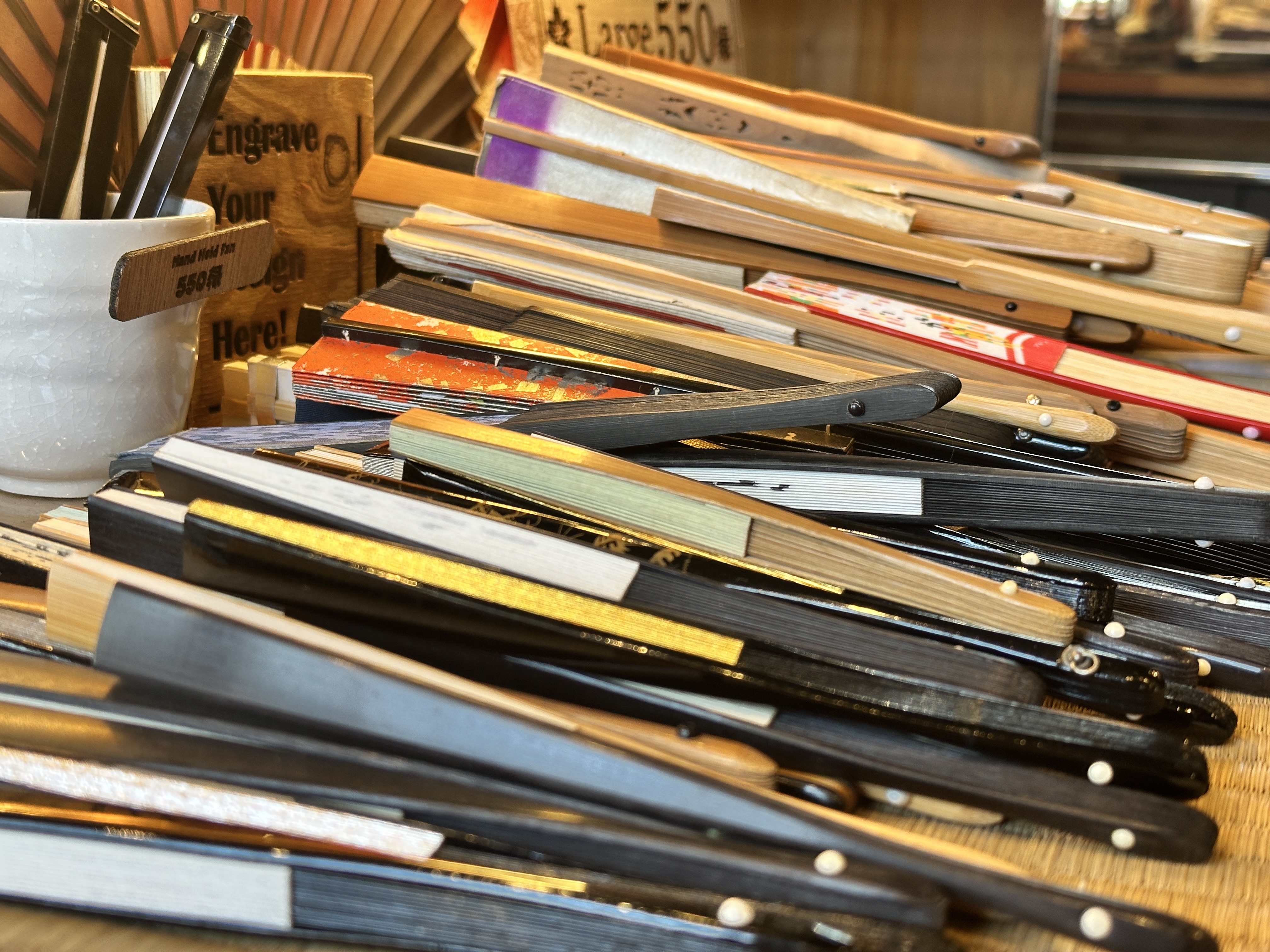
Japanese folding fans — vintage antiques Kamakura shop
Why It Matters Now

Objects that were not made for trend cycles

Most things sold today are designed with a lifespan in mind. Not a long one. They are made to be replaced.

The objects in our antique section were made with the opposite assumption: that they would be used, repaired if needed, and passed on if possible. Their survival is not accidental. It is the result of both quality and care.

Owning one of these objects means owning something that was not manufactured for a season. It was made for a life. And in many cases, it has already lived through several.

Our Curation
"We do not buy antiques to fill space.
We look for objects that were made to matter
and have continued to, across decades."

— BeLocal Collection · Kamakura

From Our Antique Corner
What You Might Find
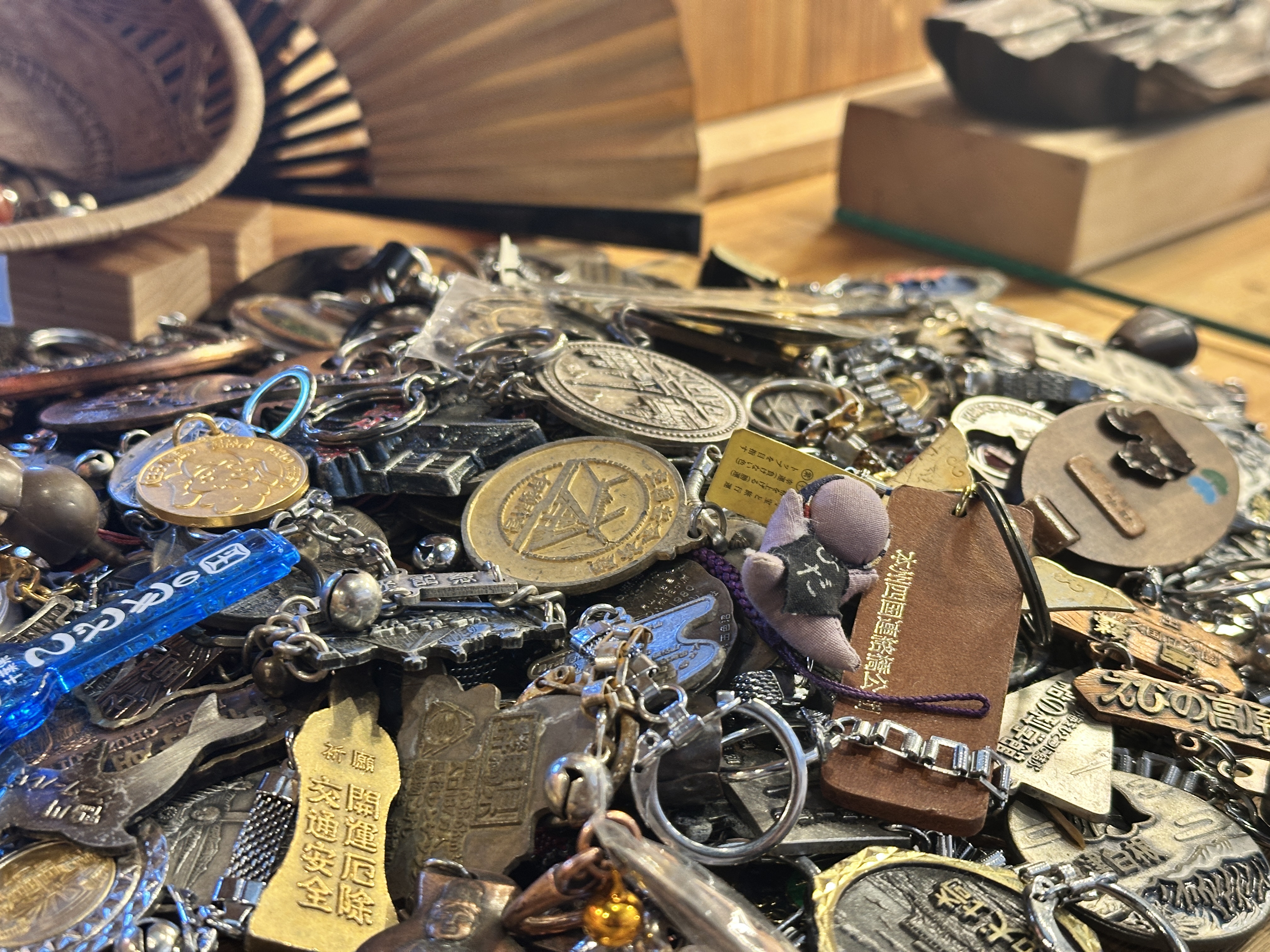
Vintage Japanese keychains and metal pieces
Japanese ceramic vessels and pottery
Japanese teacups in wooden boxes
Folding fans Japanese antiques
Hiroshige Tokaido ceramic cups Japan

Items shown are representative of what we carry. Availability changes frequently.

Visit Us in Kamakura

Our Collection
Changes Constantly

At BeLocal Collection, our antique section is sourced continuously from markets, estates, and private collections across Japan. No two visits offer the same things.

Many items are one of a kind and available in-store only. We do not hold pieces or take advance reservations for antiques. What is there is there until it is gone.

Some pieces stay for weeks.
Some disappear the same day.
The best finds are often the ones you were not expecting.

Location

鎌倉市御成町20-8
4 min from Kamakura Station

Our Antiques

In-store only · Changes frequently
One-of-a-kind finds

Hours

Tue–Sun 10:30–17:30
Closed Mondays